
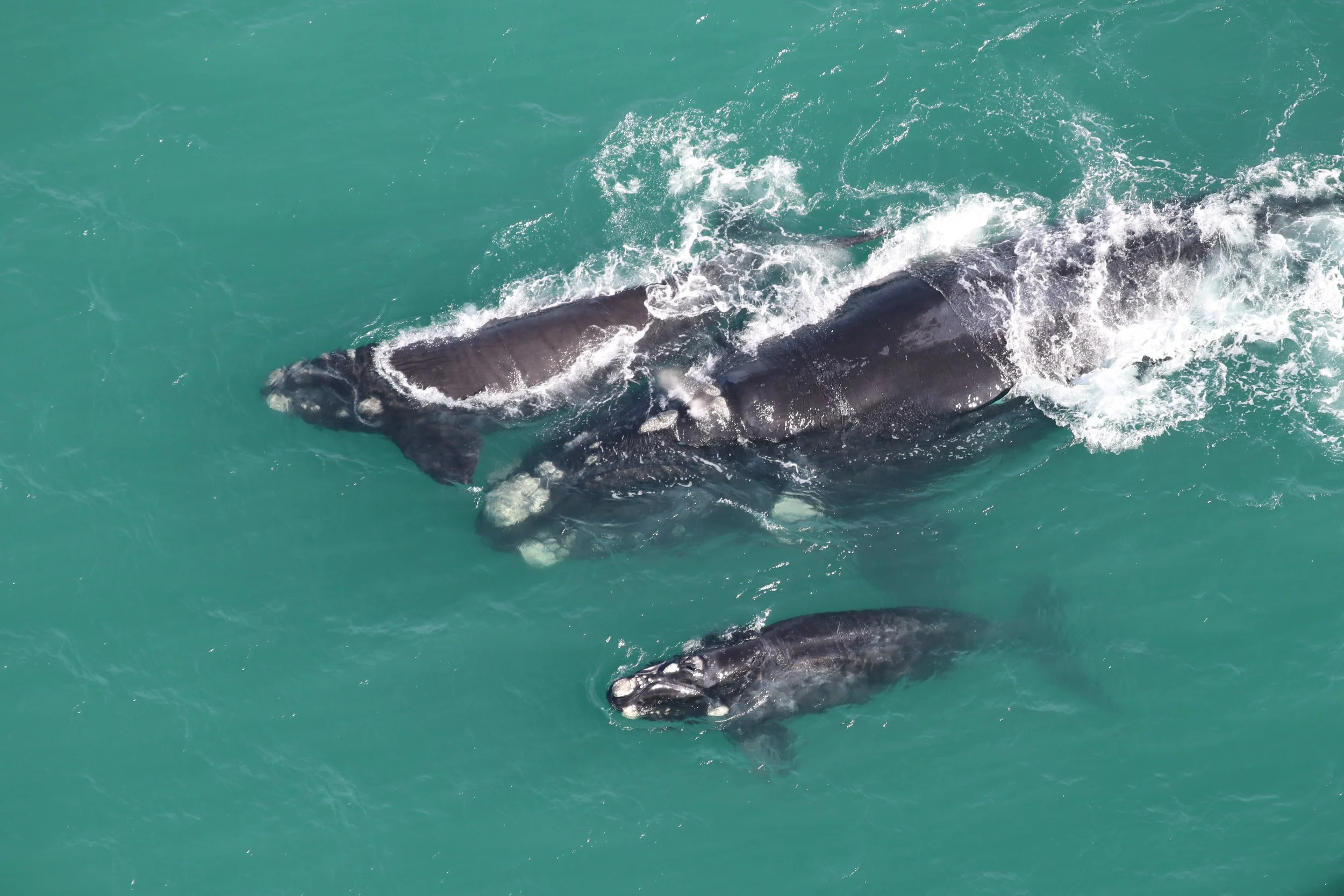
Adopt-a-Whale
By adopting a whale, you directly contribute to the work of the MRI Whale Unit, enabling dedicated fieldwork, strengthening local scientific capacity, and supporting the applied research that directly informs national and international conservation policy and management decisions.
Choose Your Level of Support
🐋 Whale Supporter — R1,200 / year
Symbolic adoptions - for supporters who want to join the mission.
Personalised digital adoption certificate
Information pack on southern right whales
Quarterly e-newsletter with updates and images
Section 18-A tax certificate
🐋 Whale Guardian — R5,000 / year
Adoption of named whales - for those wanting to make a tangible contribution to whale monitoring.
All Whale Supporter benefits (including Section 18-A tax certificate)
Adoption of a specific named whale chosen from the profiles below
Updates on individual known whales, including your adopted whale, when re-sighted
Option to register to the Whale Unit whatsapp community for live updates during fieldwork
🐋 Whale Patron — R25,000 / year
For organisations and individuals making a major contribution.
All Whale Guardian benefits (including Section 18-A tax certificate)
Exclusive access to annual field reports
Private briefing or visit to the Whale Unit’s office
Recognition (optional) on the Whale Unit website and annual report
Make a lasting difference and join the Whale Unit Legacy Society
The Whale Unit Legacy Society celebrates those whose generosity ensures the future of whale conservation. There are many ways to make a lasting impact — from major gifts and sponsorships to other forms of planned giving. Whatever form your support takes, your contribution helps secure long‑term research, education, and protection for southern right whales and their ocean home.
To explore larger donations, sponsorships, or legacy giving opportunities, please contact Prof. Els Vermeulen directly at [els.vermeulen@up.ac.za].
OUR WHALES
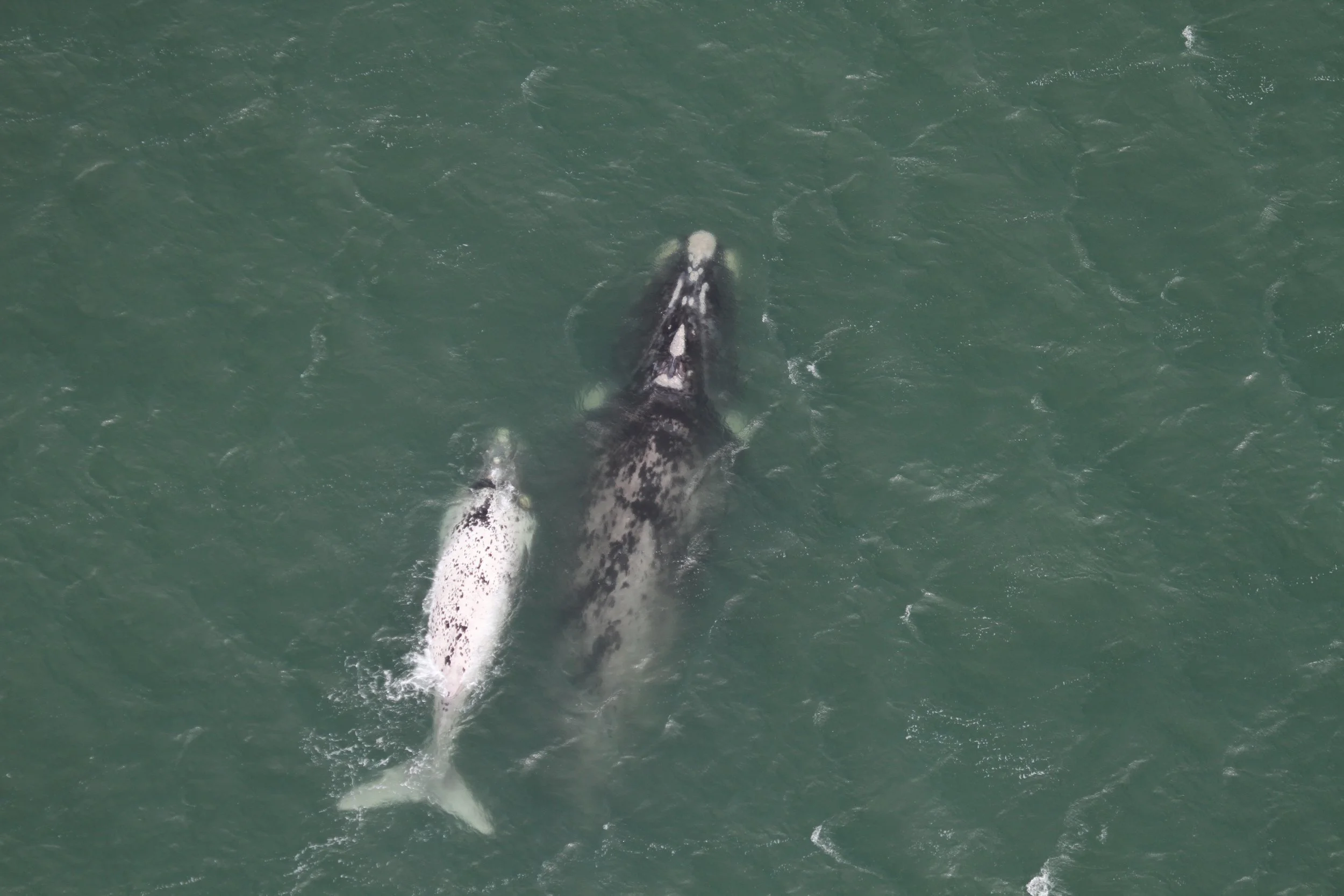
Blanca
Blanca was first seen in 1984 and is one of the very few brindle females in the South African population. This means that she was born white and is turning more and more grey with age. 94% of brindles are male, so Blanca’s colouring makes her very rare.
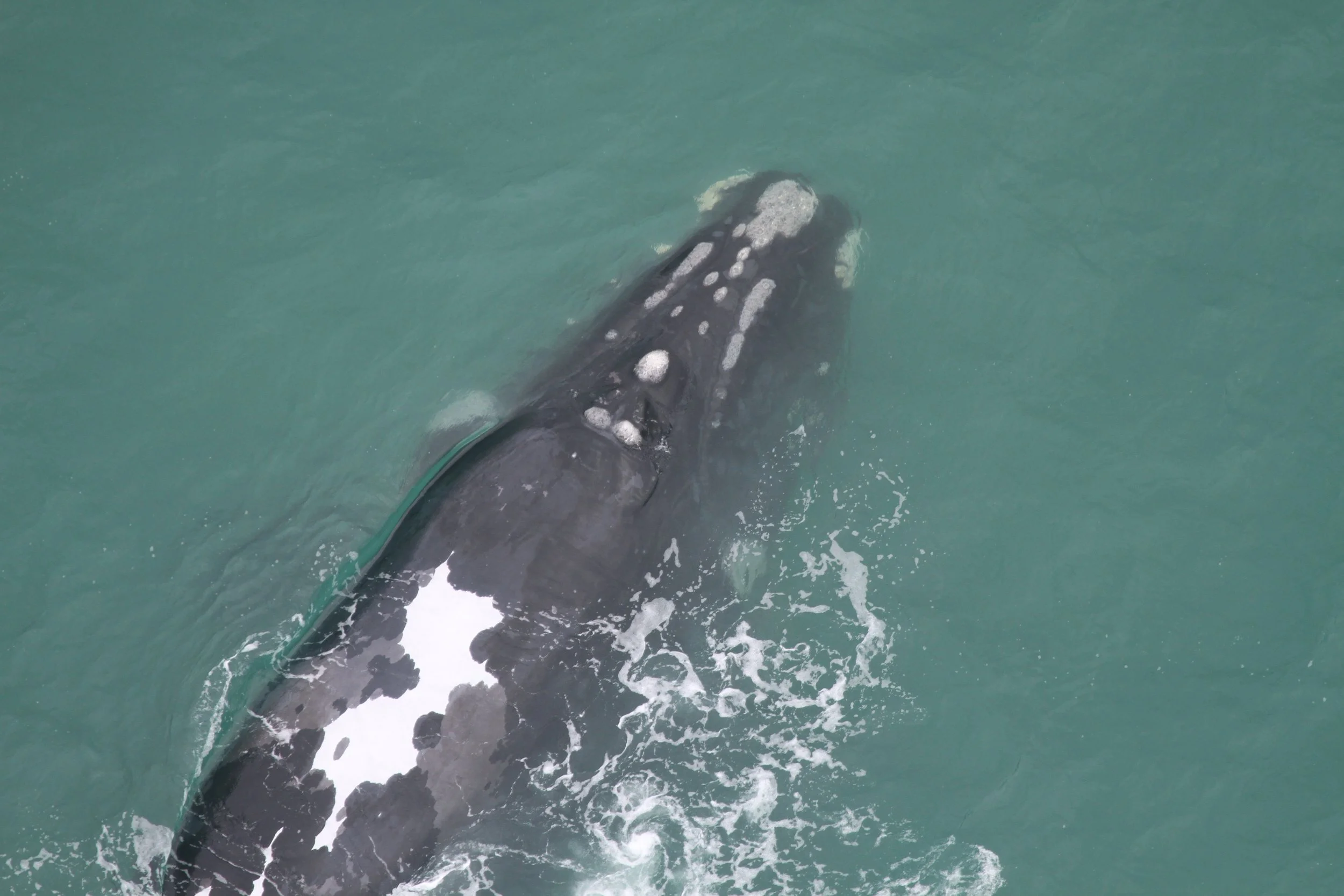
Emma
Emma was first seen on the South African coast in 1983. She has a partial-grey colour with a stunning white blaze. Her beautiful markings make her visually very distinct from other southern right whales. She currently is a grandmother, and likely even a great-grandmother.
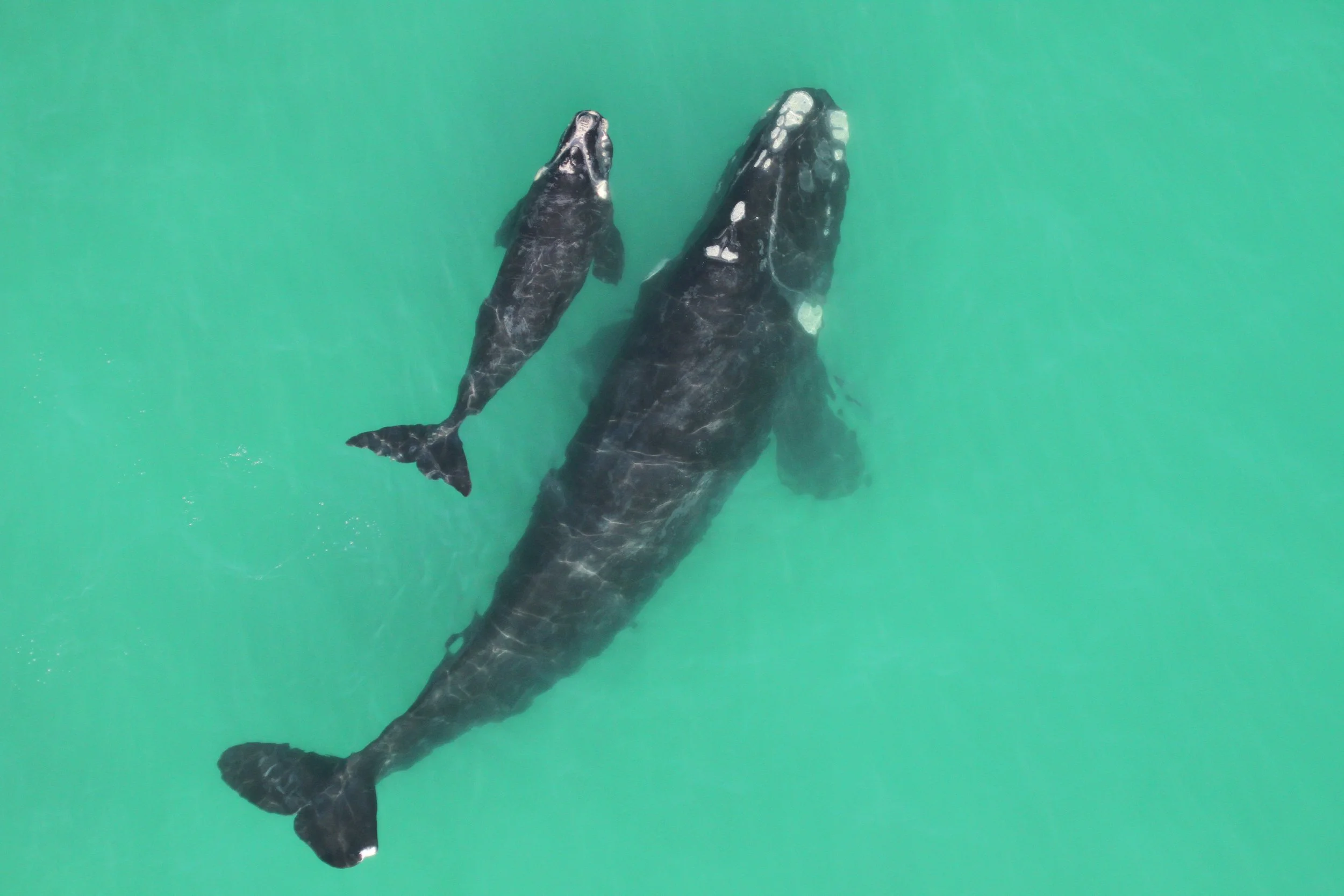
Fluke
Fluke was first seen with a calf in 2005 in Walker Bay. Besides the unique callosity pattern on her head, Fluke is also easy to recognize from the shape of her tail which is missing both tail points. It is unsure what caused this, but it could be related to a shark or killer whale attack. Fortunately, her missing tail points don’t affect her mobility or chances of survival.
Ghost
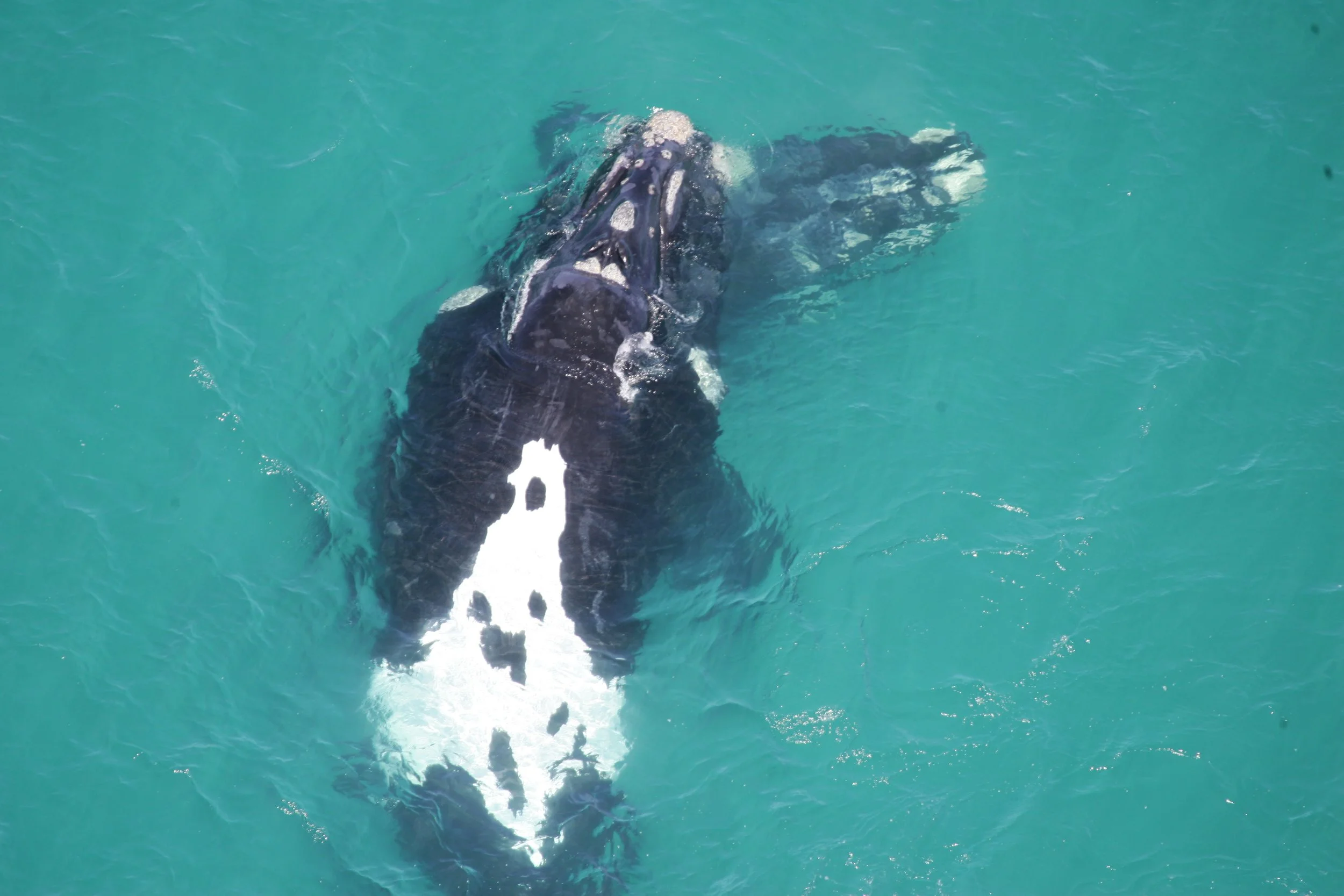
Ghost is the only male in our adoption program. He has a distinctive ghost-like white blaze on his back which is how he got his name.
Granny
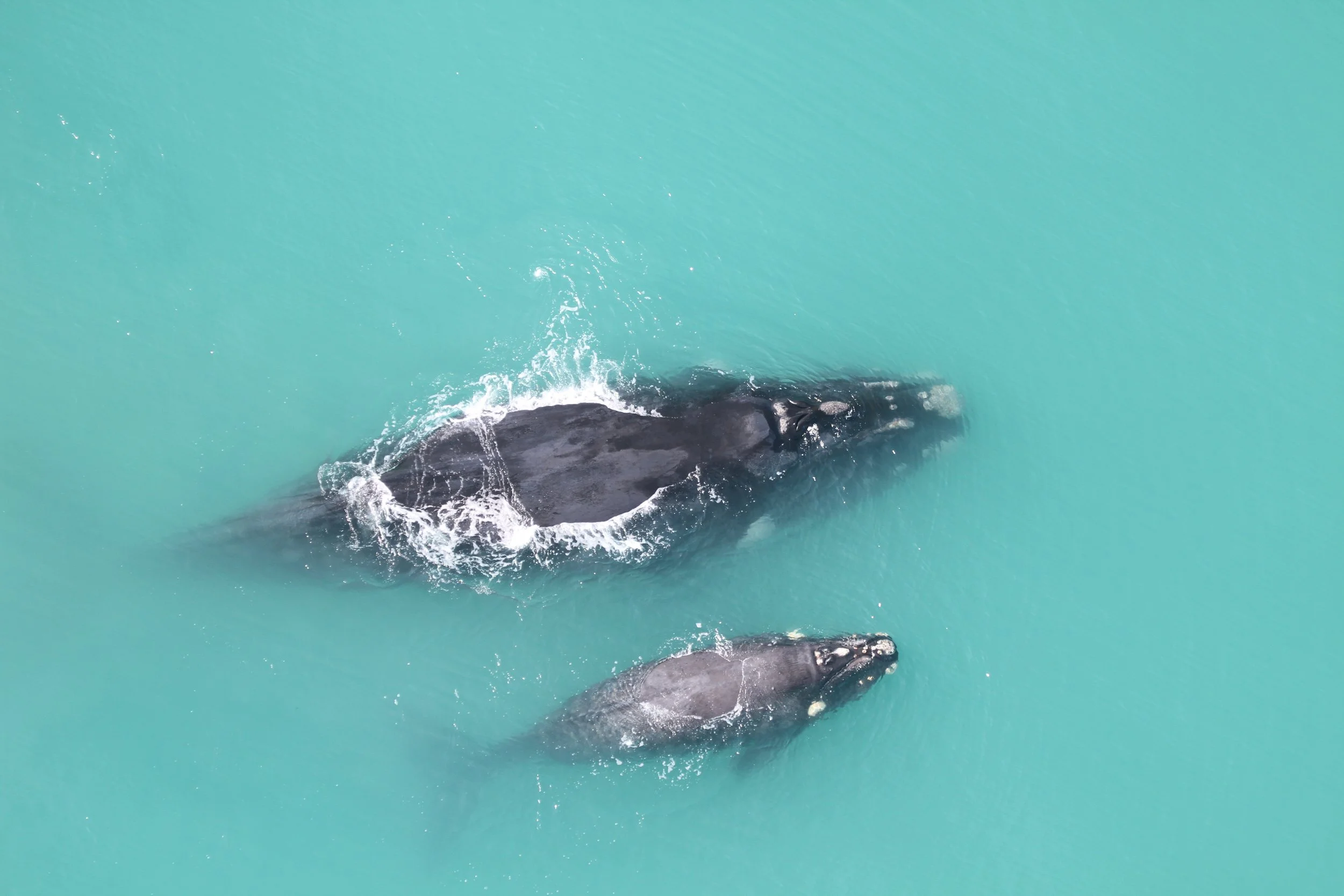
Granny is our most senior whale – seen for the first time in 1981 she is believed to be over 50 years of age. She has given birth to at least ten calves since 1981 which indicates that she’s healthy and strong.
Vicky
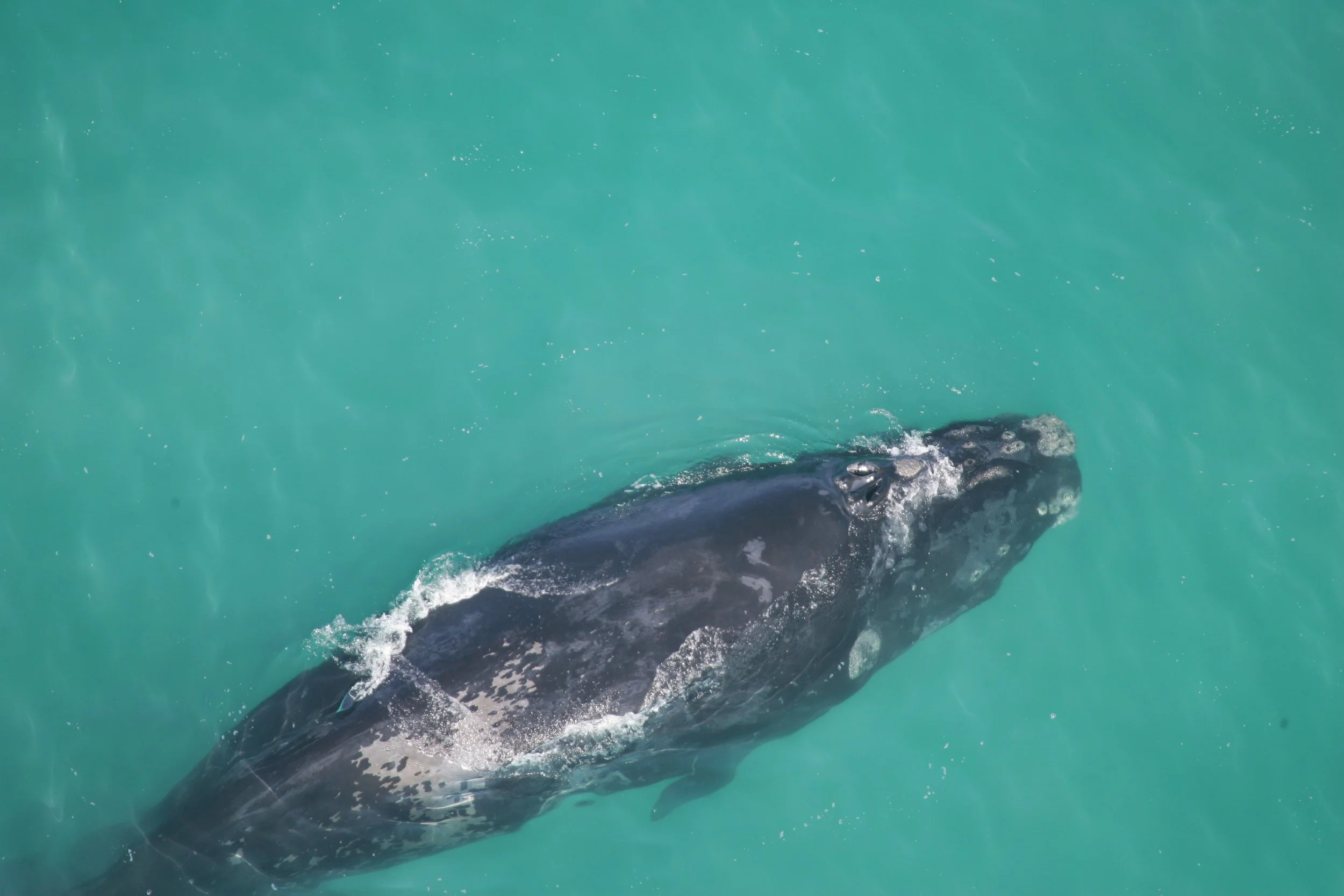
Vicky is Granny’s daughter and was first seen close after her birth in 1981, and had her first calf when she was only 6 years old. She has a very distinctive V-shaped patch on her back. This was white when she was born but turned grey as she matured.
Lucy
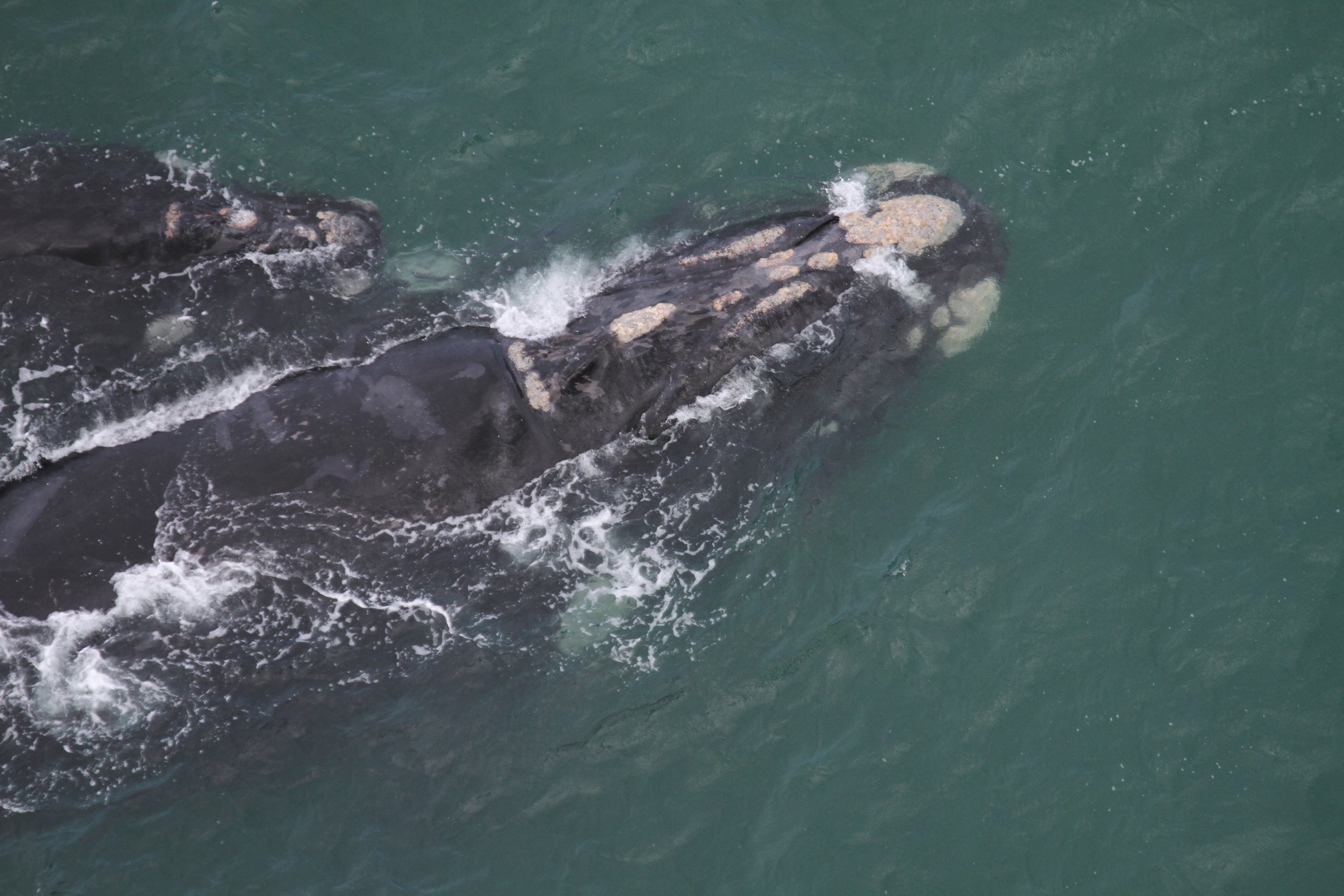
Lucy is a partial-grey female with a beautiful colour pattern on her back which was white when she was born. She was seen for the first time in 1999, and has at least eight siblings from the same mother.
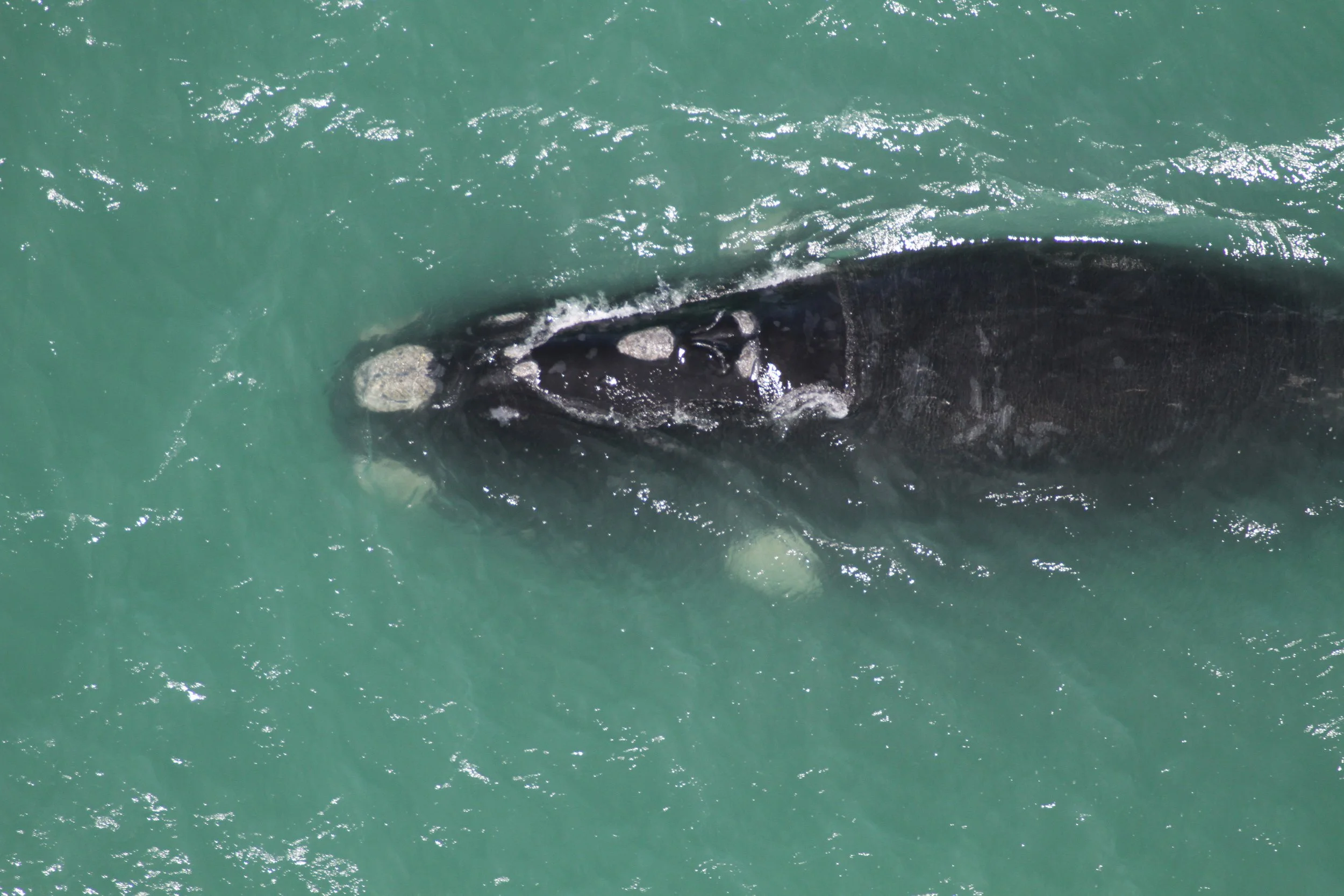
Maggi
Maggi was the first female southern right whale to ever be identified in South African waters in 1979. Over the years, she’s had 10 calves in various bays along the South African coast.
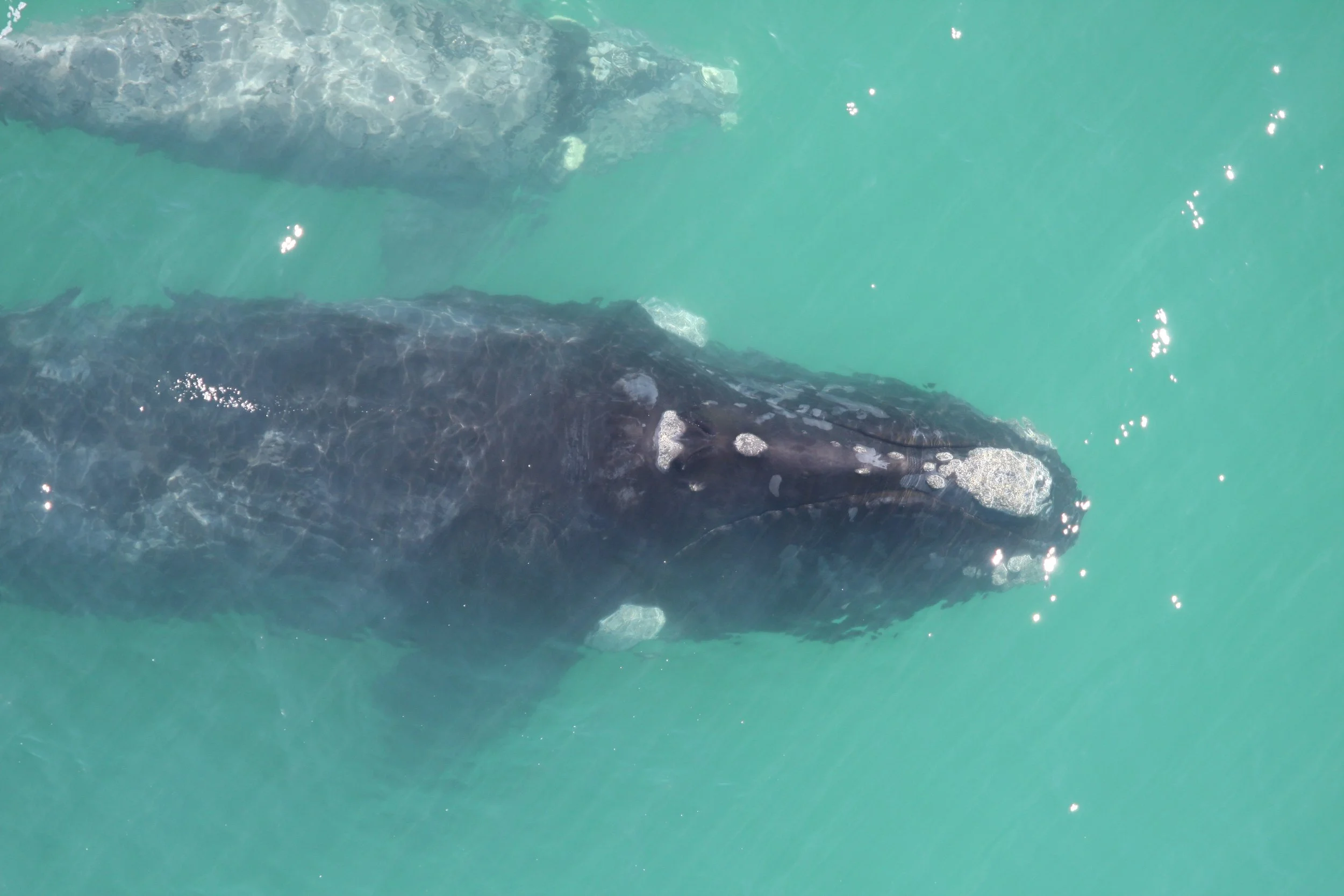
Splash
Splash is Vicky’s granddaughter and Granny’s great-granddaughter! She was first seen with her mother very soon after being born in 1995.
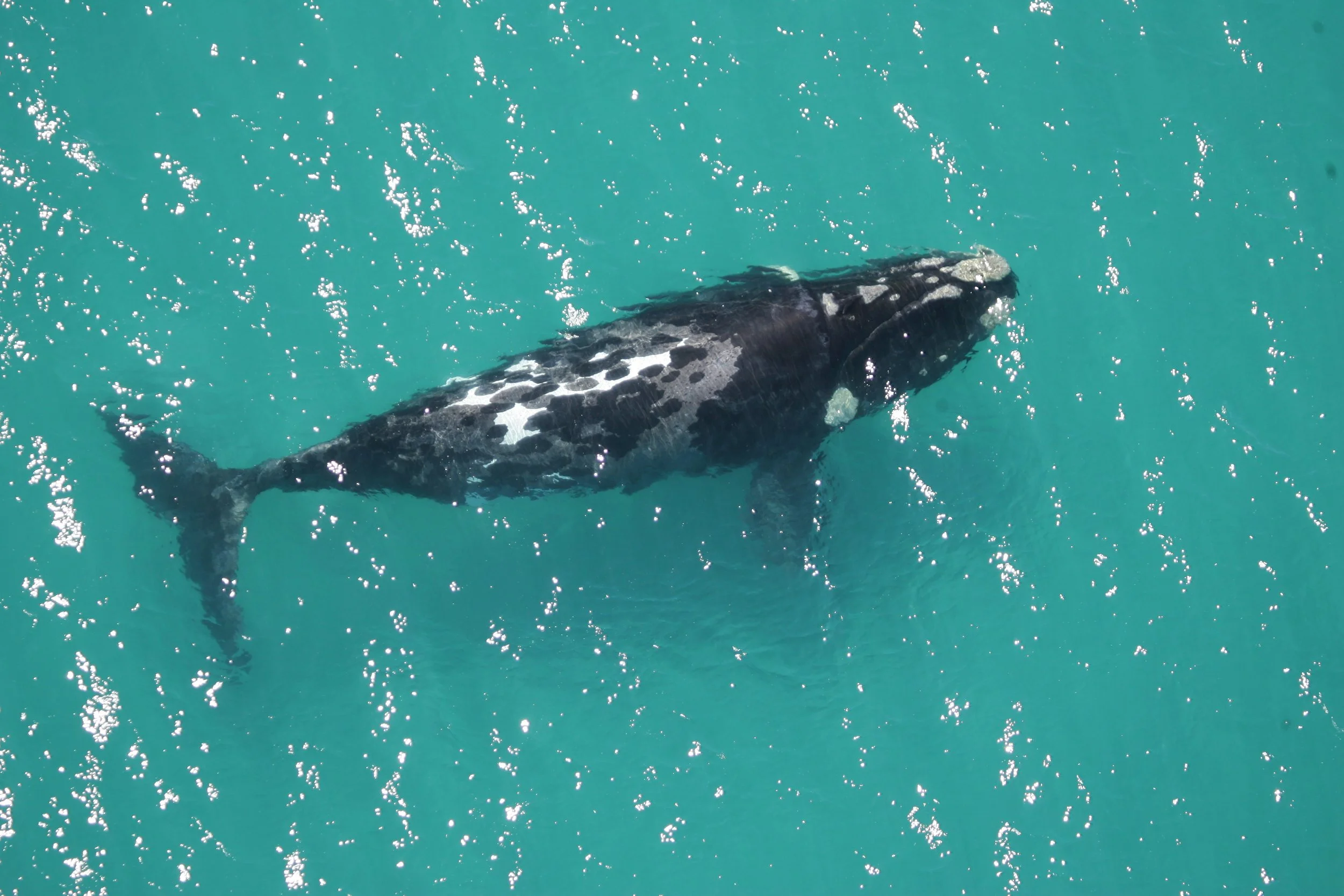
Thembe
Thembe was born in 1985 and had her own first calf in 1985, at the age of six. She has a beautiful colouration pattern which includes extra white blazes against her partial-grey colour. Her favourite cruising spots along the South African coast are De Hoop and Walker Bay.
Join the Pod
Every adoption strengthens our ability to study and protect South Africa’s whales.
👉 Become part of our conservation family today!
Our whale patrons





Together, we are building a future where whales continue to thrive along our coastline.