

Dr Andrea Webster’s current research aims to establish a Kalahari specific stable isotope signature that facilitates examination of predator-prey interactions between brown hyaena and black backed jackal to better understand their influence on mesoherbivore recruitment rates in Tswalu Kalahari Reserve. The project will provide essential baseline data related to seasonal changes in diet of scavenging carnivores and will lay the foundation for future research related to the impact of other carnivore species on the property. The project Is a collaborative effort between the Mammal Research Institute, Stable Isotope Laboratory, University of Oxford, University of Northern Arizona, the Tswalu foundation and Oppenheimer Generations Research and Conservation.
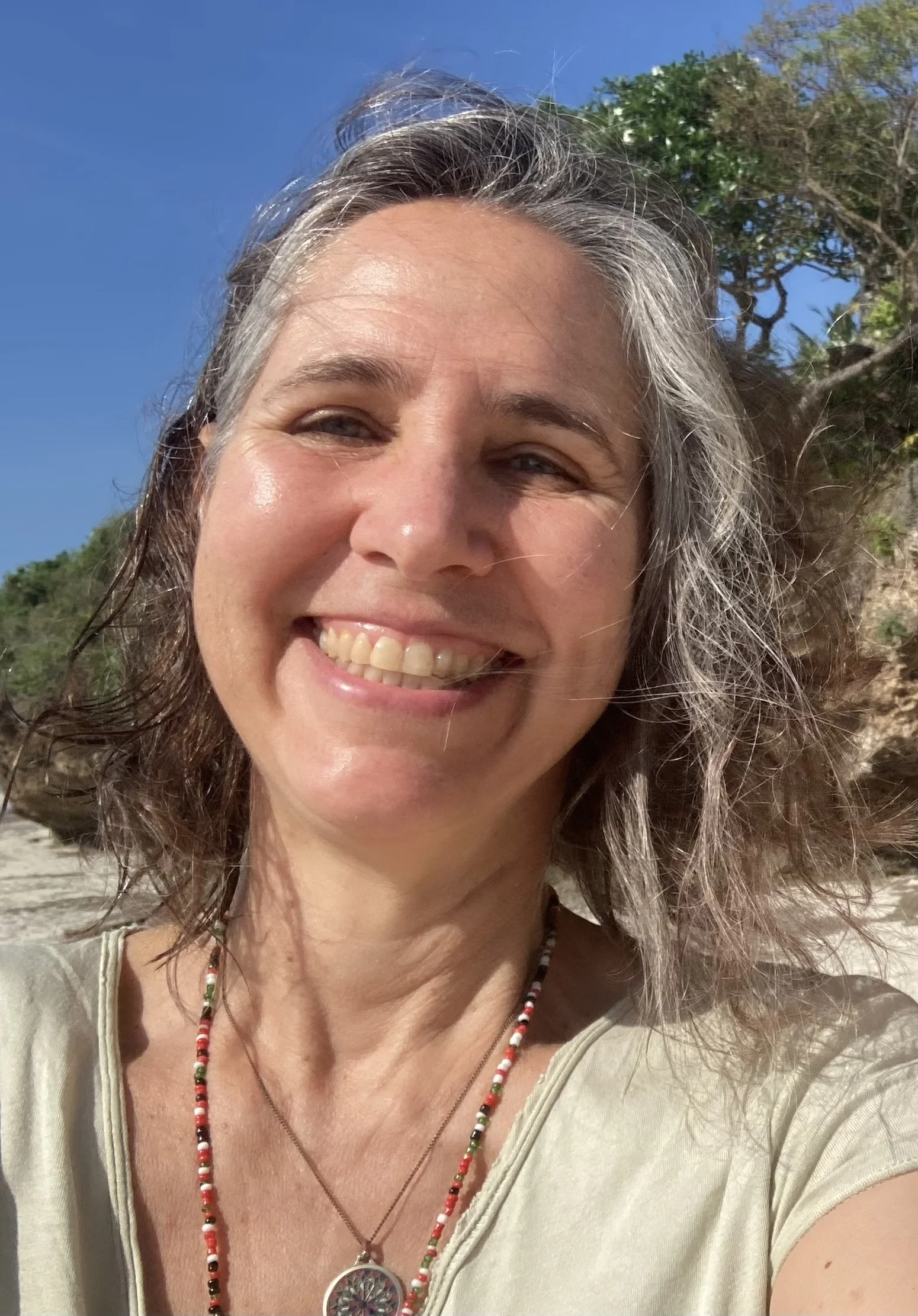
Dr Shanan Atkins is a postdoctoral researcher with the Mammal Research Institute Whale Unit. She studies the conservation biology of the Endangered Indian Ocean humpback dolphin at a conservation hotspot in KwaZulu-Natal, with a particular interest in understanding the ecological and human dimensions of threats to the species and identifying opportunities for effective conservation. Shanan coordinates the Indian Ocean Humpback Dolphin Conservation Network (HuDoNet), a collaborative network working to advance research and conservation of the species across its range. She is a member of the SouSA Consortium and the IUCN's Cetacean Specialist Group. Her research at UP is supported by the National Research Foundation (NRF) and industry partners.

Dr. Matthew Germishuizen is a postdoctoral researcher with the Mammal Research Institute Whale Unit at the University of Pretoria. His research focuses on understanding the climatic and oceanographic drivers influencing southern right whale demographics, movement patterns, and foraging ecology across the Southern Hemisphere. By integrating long-term datasets, satellite tracking, and environmental modelling, his work provides valuable insights into how climate variability and ecosystem shifts impact this species. Dr. Germishuizen collaborates closely with an international network of researchers from New Zealand, Australia, Argentina, and Brazil, contributing to a broader, hemispheric-scale understanding of southern right whale populations. His research is supported by funding from the Marine Mammal Commission (USA) and industry sponsorship, ensuring applied conservation relevance and policy impact
Dr Bharti Arora is a post-doctoral researcher within the Mammal Research Institute Whale Unit, with a speciality in wildlife endocrinology and reproductive physiology. She has extended experience working in the dimensions of human-wildlife conflict and has worked with a range of mammalian species including Asian elephants, Chinese Pangolins, Indian rhinoceros, great Indian Bustard, Markhor and Takin. At the MRI Whale Unit, Bharti is working to better understand the physiology of baleen whales, with the aim to optimize blubber sampling and extraction protocols for the assessment of reproductive steroid hormones and stress hormones. Her research is funded by DRI and the MRI Whale Unit.


Dr Mmatsawela Ramahlo is a postdoctoral researcher within the Mammal Research Institute, with a speciality in small mammal population dynamics and behaviour. Her research incorporates both small and meso mammalian species distribution, population dynamics and physiology. Through this work, she hopes to elucidate the complexities of how these mammals respond to various ecological pressures, including habitat disturbance, and food availability. Her research seeks to improve conservation strategies and enhance our understanding of mammalian behavioural adaptations in rapidly changing environments. Her research is funded by the DRI, Oppenheimer Generations Research and Conservation and the MRI.